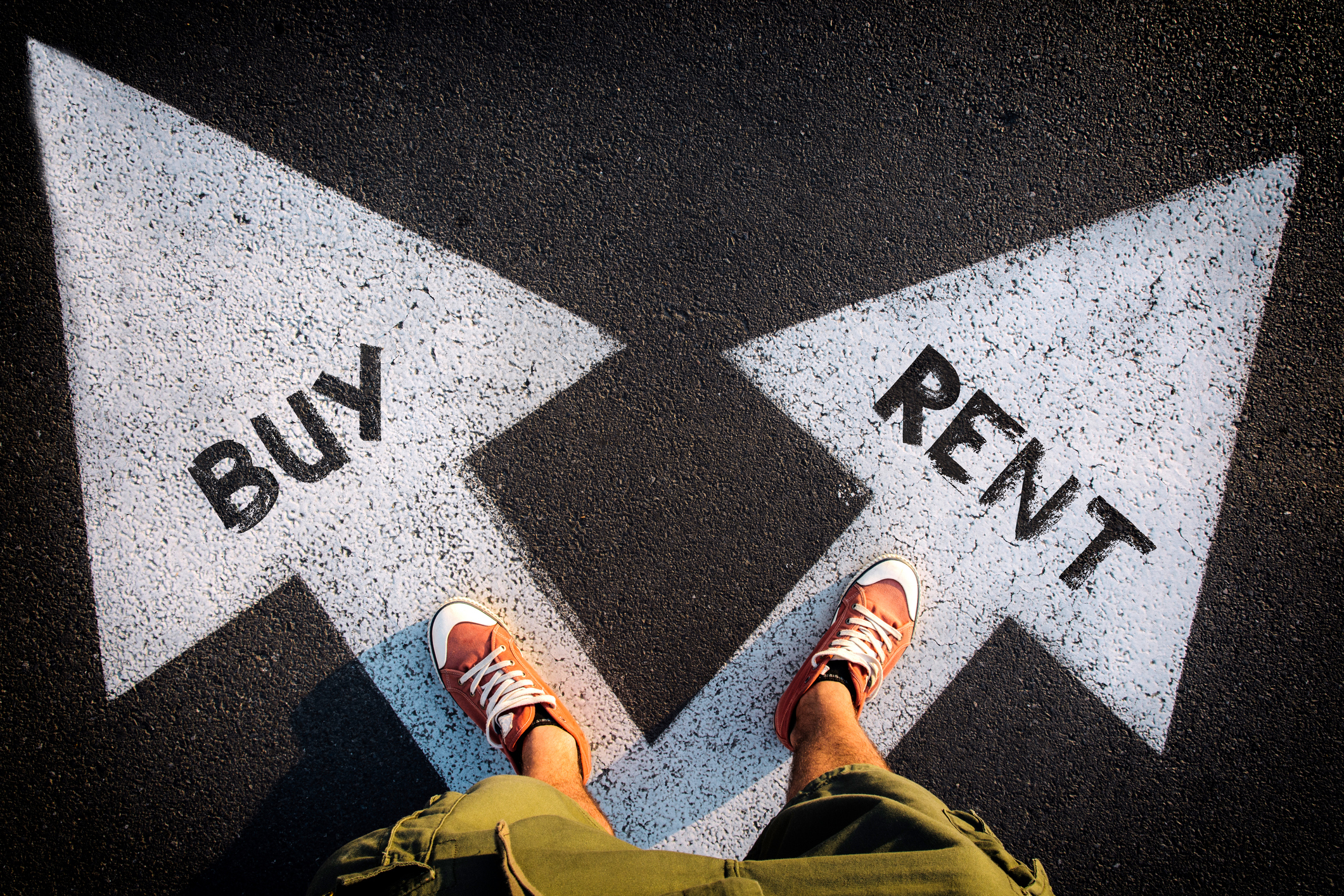


For many people, the dream of homeownership starts while renting an apartment or home; but when it comes to buying your own home, the decision process is not that simple. The renting vs. buying a home debate depends on several factors such as financial situation, lifestyle goals, career plans, and long-term priorities.
With rising house costs and changing market conditions, understanding home affordability is more important now than ever. While renting offers flexibility and lower upfront costs, buying a home can help build equity, create stability, and provide a deeper connection to your local community.
If you are debating whether renting or buying a home works better for you, this will guide you through the pros and cons of both renting and buying, the financial considerations behind each choice, and how working with a trusted local mortgage lender can help you navigate the home buying process.
Understanding the Rent vs. Buy Decision
The decision to buy or rent is not just about comparing monthly payments. It involves evaluating your current financial health, future plans, and readiness to take on the responsibilities of homeownership.
There is no one size fits all answer, it is important to ask yourself these questions when deciding which may be best for you:
- Do I plan to stay in the same area for several years?
- Am I financially prepared for down payment and closing costs?
- Do I want flexibility to move quickly if needed?
- Am I ready for home maintenance and repair responsibilities?
- How important is building long-term equity for me?
What works for one person or family may not work for another. By asking yourself these questions, it can help you identify what you are ready for.
Let’s look at renting vs. buying a home more closely.
Renting: Pros and Cons
Renting remains an attractive option for many individuals, especially for those who are earlier in their careers, planning future moves, or seeking a maintenance free lifestyle.
Advantages of Renting
- Lower Upfront Costs: One of the biggest advantages of renting is the relatively low initial investment. Most landlords require a security deposit, first month’s rent, and occasionally a pet deposit or application fee. This can help to avoid large down payments and closing costs that come from owning a home.
- Greater Flexibility: Renting allows you to relocate easier for career opportunities, educational pursuits, family changes, or lifestyle preferences. This can make it easier to have more freedom to be able to move quickly if needed.
- Lower Maintenance Responsibility: When a furnace stops working or the roof leaks, renters typically call their landlord or property manager to let them know of the potential damage. The landlord or property managers typically cover these repair costs which helps renters avoid unexpected expenses.
Disadvantages of Renting
- No Equity Building: One of the largest drawbacks of renting is that monthly payments made generally do not go towards building ownership. Therefore, once the payments are made, they typically do not contribute to long-term wealth accumulation.
- Limited Personalization: Most rental agreements restrict any remodeling, significant decorating changes, structural modifications, and certain pets. These restrictions can make it difficult to make a rental property feel like your own.
- Potential Rent Increases: As the housing market changes, landlords may increase rent at lease renewals. Over time, these expenses may continue to rise without adding to your personal equity.
Buying: Pros and Cons
For many individuals and families, homeownership represents more than just a place to live. It can also represent long-term financial strategy, lifestyle choice, and an opportunity to become a part of a community.
Advantages of Buying a Home
- Equity and investment: Monthly mortgage payments help build ownership on your property over time. As you continue to pay down your mortgage balance, your equity grows. If your home’s value appreciates, your equity may increase further.
- Long-Term Stability: Owning a home often provides greater housing stability. Rather than worrying about lease renewals or changing leases, homeowners can remain in their homes as long as they choose. A 30-year mortgage can provide predictable housing payments over an extended period, making budgeting easier for many households.
- Freedom to Personalize: When you own a home, you have the freedom to rearrange, renovate, remodel, landscape, and overall personalize your living environment without needing permission. This can be a selling point for people as they can turn a home into something that they feel comfortable living in and that represents them and their family.
- Potential Tax Benefits: Depending on your individual circumstances, mortgage interest, and property taxes, they may offer certain tax benefits for you such as deductions or capital gains when selling. Consult a tax professional to see what certain benefits you are eligible for.
Disadvantages of Buying a Home
- High Upfront Costs: When you are looking to buy a home, they typically have high upfront costs such as a down payment, closing costs, moving expenses, inspection fees, and sometimes appraisal fees. These costs can be substantial and an important aspect to consider when you are evaluating your home’s affordability.
- Ongoing Maintenance Costs: Homeowners are typically responsible for all maintenance, repairs, insurance, and property taxes. This can cause high unexpected costs that can damage your financial stability.
- Less Flexibility: Selling a home can take time and involve additional costs. If you anticipate wanting to relocate soon, homeownership may not provide the flexibility you need.
- Market Fluctuations: Home values can rise or fall based on economic conditions and market trends. While real estate can be a strong long-term investment, values are never guaranteed.
Understanding your Home Affordability
One of the main questions for prospective buyers is, “Can I afford a home?” Home affordability involves more than qualifying for a mortgage. Potential buyers should evaluate many factors before purchasing a home or applying for a mortgage such as their monthly income, existing debt, savings and emergency fund balances, down payment availability, or property taxes to name a few.
Before beginning your home search, it is helpful to estimate your monthly mortgage payment using a mortgage calculator. Calculators can help you estimate monthly payments, debt-to-income, home closing costs, or home affordability. Understanding these costs upfront can help make the homebuying process less stressful when you know what to expect. Try One of Lake Ridge Bank’s Mortgage Calculators.
Choosing the Right Mortgage
If buying a home ends up being the right decision for you and your goals, selecting the right mortgage is the major next step. Different loan products can meet different financial needs, and working with a trusted local mortgage lender can help you identify the best option.
A fixed mortgage rate maintains the same interest throughout the life of the loan. This allows for predictable monthly payments, easier budgeting, long-term stability, and protection from future rate increases. Many buyers chose a 30-year mortgage at a fixed rate because it offers lower monthly payments while maintaining consistency over time.
An Adjustable-Rate Mortgage or ARM begins with a lower initial interest rate for a specific period before adjusting based on market conditions. The benefits of an ARM are lower initial monthly payments, attractive rates for short-term homeowners, and flexibility for buyers planning future moves. However, payments may increase when the adjustable period begins. Working with a knowledgeable Wisconsin mortgage lender can help determine whether a fixed rate or adjustable mortgage rate is better for you. View our Mortgage Rates and Offers.
Why Work with a Local Mortgage Lender?
When purchasing a home, choosing the right lender matters just as much as choosing the right property. A local mortgage lender offers several advantages, including personalized one-on-one guidance, knowledge of local housing trends and property values, and a commitment to supporting the communities they serve.
When it comes to the decision of whether to rent vs. buy a home, there is no right or wrong answer. While renting offers flexibility, convenience, and lower upfront costs, buying provides opportunities to build equity, and create long-term financial stability.
The right choice depends on your own financial situation, future goals, and lifestyle preferences. If homeownership is part of your future, partnering with a local mortgage lender can help you better understand your options, evaluate home affordability, and find the right mortgage solution for your needs.
Ready to take the next step?
Meet with one of our Mortgage Loan Officers