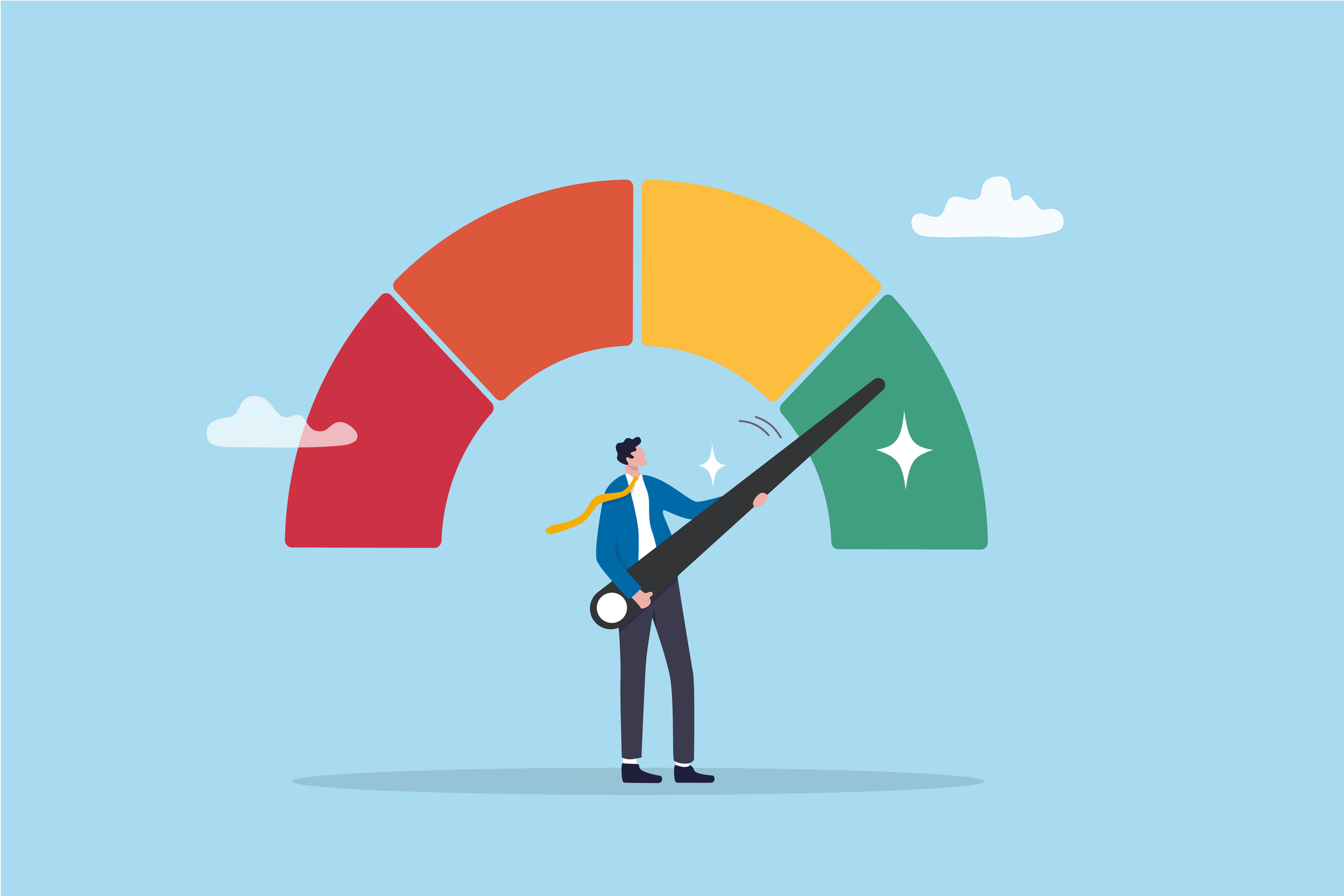


As a young adult, many new responsibilities and experiences start happening, such as moving out, starting a job, going to college, paying bills, and managing your own finances. One financial topic that often causes confusion is building credit. Questions like, “How do I build credit?” ,”What is a good credit score?”, and “How do I improve my credit score?” are incredibly common. Building credit does not have to be complicated. With the right habits and tools, you can establish a strong credit history and set yourself up for long-term financial success.
A strong credit score can help you apply for loans, secure lower interest rates, get approved for credit cards, rent an apartment, and even save money over time. Whether you are just starting your financial journey or looking for ways to increase your credit score, understanding how credit works is an important part of your overall financial wellness.
What is a good Credit Score?
When discussing credit scores, you’ll most commonly hear about two scoring models: Your FICO score and your VantageScore. A FICO score is determined using a variety of information such as payment history, amounts owed, length of credit history, new credit, and your credit mix. A FICO score ranges from 300-850 with a ‘good’ score ranging from 670-739. A VantageScore weighs factors differently based on payment history, depth of credit, credit utilization, balances, recent credit, and available credit. Like FICO, a VantageScore ranges from 300-850. The “Prime” category ranges from 661-780. Lenders for loans, credit cards, and mortgages will often use your FICO score, and for your own personal checking it will often show you your VantageScore, which can vary slightly from one another.
If you’re looking to build your credit score, read about how you can take control of your credit with Credit Sense here.
Why is Having a Good credit Score Important?
Many people focus on their credit score only when they are ready to buy a car or apply for a mortgage. However, maintaining a good credit score can benefit you throughout your financial life. A good credit score may help you qualify for auto loans and mortgages more easily, receive lower interest rates on loans and credit cards, gain access to higher credit limits, improve chances at renting an apartment, and reduce certain insurance premiums.
A lower credit score may result in higher borrowing costs, larger security deposits, or difficulty qualifying for certain financial products. That is why credit management should be viewed as a long-term financial habit rather than a short-term goal.
How to Build Credit and Improve Your Credit Score
If you are starting with little to no credit history, don’t worry. Everyone begins somewhere. These are five practical ways to help build credit and establish a strong financial foundation:
- Opening a Student Credit Card: Student credit cards are designed for individuals who are new to credit. They often have lower credit limits and qualification requirements, making them a great starting point. Look for a card with competitive interest rates, and no annual fee if possible. Use the card for small, manageable purchases, such as groceries, gas, or subscriptions and pay the balance in full each month to avoid accruing interest.
- Become an Authorized User: A common way to begin building credit is to become an authorized user on a trusted family member’s credit card account. As an authorized user, you receive a card linked to the existing account, the account history may appear on your credit report, and you can benefit from the account’s positive payment history. However, this strategy works best when the primary cardholder or family member consistently pays on time and keeps balances low. Since both users influence the account, it is important to be responsible and aware of spending.
- Consider a Secured Credit Card: A secured credit card can be an excellent option if you are having difficulty qualifying for a traditional credit card. With a secured card, you make a refundable security deposit, that generally becomes your credit limit. By making purchases and paying on time every month, you can establish a positive payment history and begin increasing your credit score. Here are some options for the credit cards Lake Ridge Bank offers.
- Get Credit for Rent & Utilities Payments: Many young adults pay rent and utilities every month, but traditionally, these payments have not always contributed to a credit score. Some services today can report on-time rent, utility, and subscription payments to credit bureaus. This creates another opportunity to demonstrate financial responsibility and build credit history.
- Pay Bills on Time – Every Time: If you are looking for a single, most important answer to the question, “how do I improve my credit score?” It’s this: pay your bills on time. Payment history is one of the most influential factors in calculating credit scores. Even one late payment can negatively impact your credit score and stay on your credit report for years. Some simple ways to stay on track include setting up automatic payments, calendar reminders, and mobile banking alerts. Consistency is key when building credit.
Monitor and Manage Your Finances with Personal Finance Manager
Building credit is only one part of achieving financial wellness. Managing your overall financial picture is equally as important. That is why Lake Ridge Bank offers Personal Finance Manager, a powerful digital tool that helps you organize and track your finances in one place. With Personal Finance Manager, you can view spending habits and trends, create budgets and savings goals, track account balances, and monitor financial activity across multiple accounts. By gaining greater visibility into your finances, you can make informed decisions that support both your short-term and long-term credit-building efforts. Learn more about Personal Finance Manager.
Stay on Top of Your Credit with Credit Sense
Knowing your credit score is an important part of managing it. Lake Ridge Bank’s Credit Sense feature gives you convenient access to your VantageScore directly within digital banking at no additional cost. With Credit Sense, you can view your VantageScore anytime, receive monthly score updates, monitor changes to your credit profile, access personalized recommendations for improving your credit score, and stay informed about your credit health.
Monitoring your credit can help you identify opportunities to improve and recognize potential issues. Whether you are working to establish credit for the first time or looking to increase your credit score, Credit Sense offers valuable insights to help support you and your progress. Learn more about tracking your credit with Credit Sense.
Building credit is a marathon, not a sprint. It takes consistency, patience, and responsible financial habits to build a strong credit profile. Every positive financial decision you make today can move you closer to your goals tomorrow. Whether you are opening your first credit card, monitoring your score with Credit Sense, or using Personal Finance Manager to strengthen your financial wellness, each step contributes to a healthier financial future.
Have questions about building credit or improving your credit score? Our expert banking advisers are here to help. Meet with one of our expert banking advisors today to develop a personalized plan for building credit, managing debt, and achieving your financial goals with confidence.